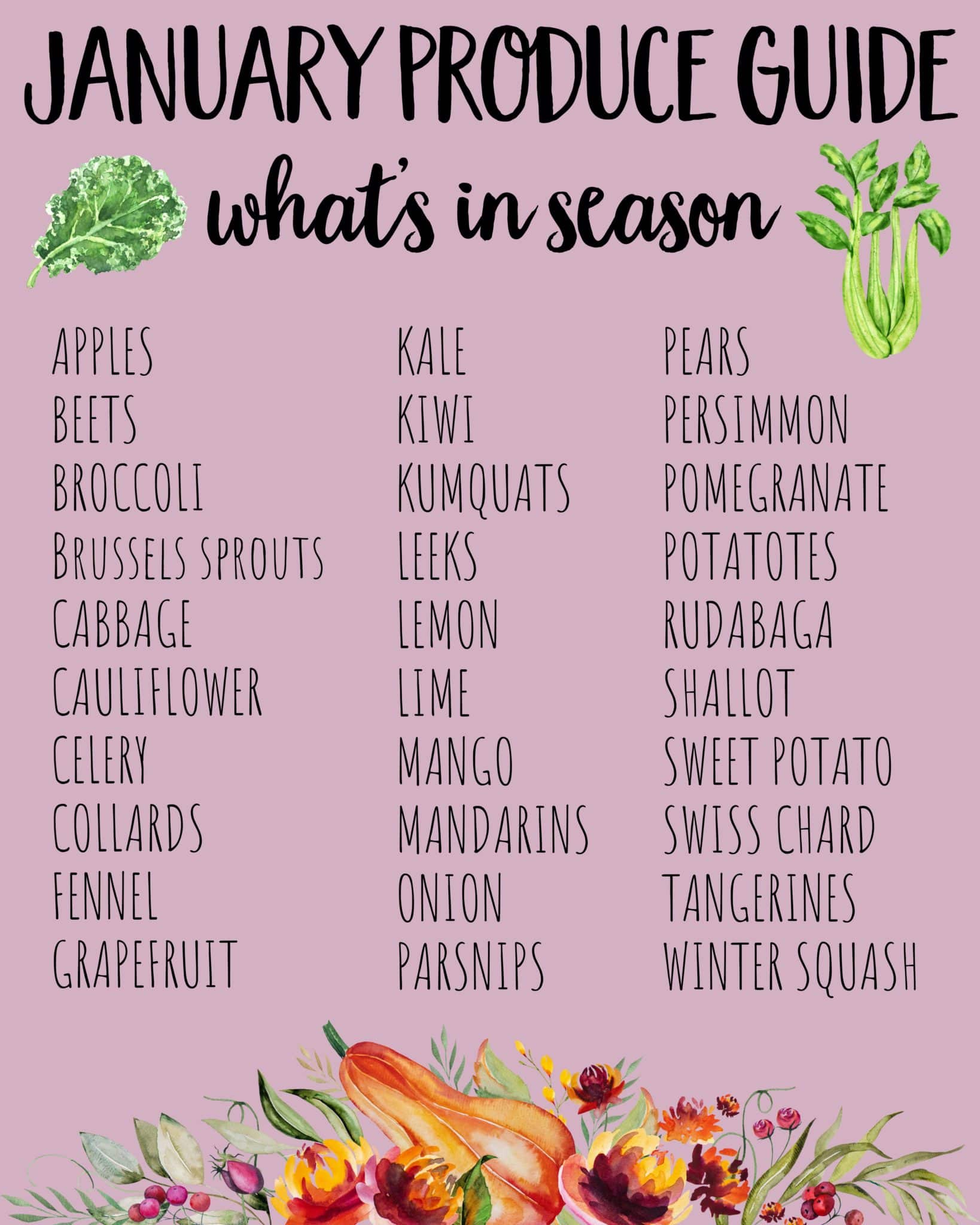
January is upon us, which means the weather is colder and our bodies are craving hearty, nourishing foods like soups and stews. Seasonal eating is what our ancestors had no choice but to do and our body’s needs have evolved around the foods that were available to us. Although we no longer need to rely on what we can grown in our gardens, it is still nice to be aware of what fruits and vegetables are in season this tie of year. I hope you enjoy my January Produce Guide!
Welcome to my very first Seasonal Produce Guide! I’ve been wanting to add these to the site for a while now, and have finally decided that this is the year for it. I meant to get the January guide up last week, but one of our beloved kitties, Cheeto, had a major health scare and I’ve been pretty distracted. He’s improving, but we’re still not quite sure what his long term outcome will be. Prayers are appreciated <3
Seasonal winter produce might not seem quite as exciting as all the goodies that pop up during summertime, but you might be surprised at what can actually grow in these colder temperatures!
With grocery stores these days, we don’t quite have to rely on just what is in season this time of year, but you’ll find that eating foods like winter squash and citrus is just what your body needs right now.
Below I’ve highlighted a few of my favorite winter produce and I’ve linked to a few recipes that will give you ideas of how to enjoy them!
JANUARY PRODUCE GUIDE
APPLES
Most people, myself included, usually associate apples with fall, but there are a few late season varieties that are in season right now! Late season varieties include Honeycrisp, Braeburn and Corland apples.
As the saying goes, “An apple a day keeps the doctor away” so you know that apples must have tons of healthy benefits to them! Apples are a great source of vitamin C, fiber and antioxidants. They can also help lower bad cholesterol, which is important for cardiovascular health.
Apples are great because they can be used in both sweet and savory recipes. I love putting them into everything from baked oatmeal and muffins to salads and stuffing. They add a nice refreshing sweetness and a crunchy texture, when served raw.
Caramelized Apple and Peanut Butter Baked Oatmeal Cups
Refreshing Kale Salad with Apples
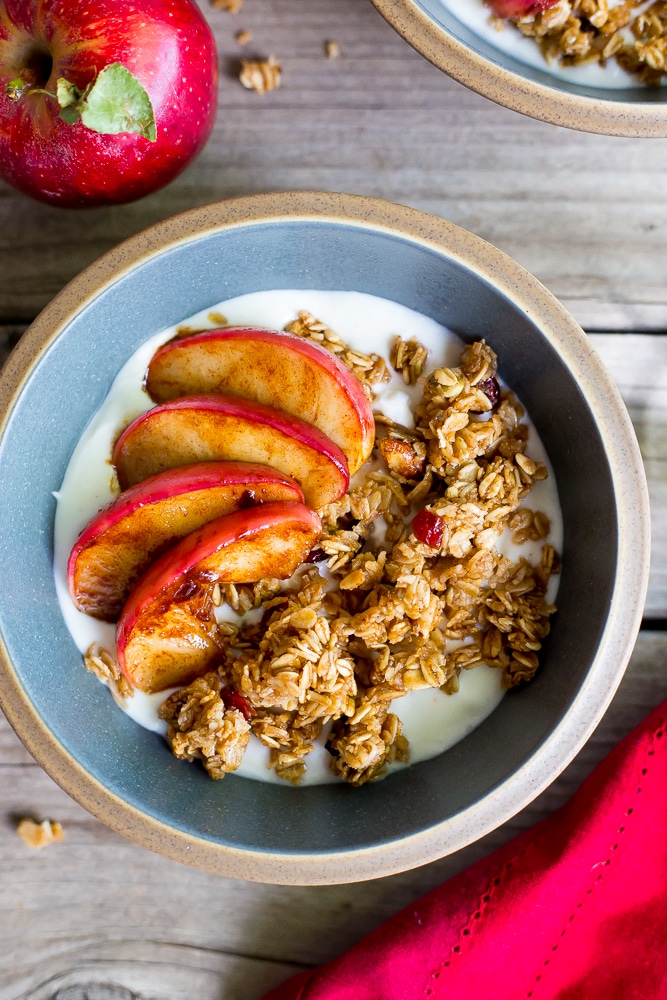
Easy Apple Crisp Breakfast Bowls
BEETS
Beets are root vegetables that come in a couple of different colors. Most people are familiar with red beets which have a very vibrant color, but there are also golden beets that are a little more mild in flavor. You can eat the beet greens as well!
Beets are high in phytonutrients, which are nutrients found in certain foods that can help keep your body healthy and prevent disease. They are also high in antioxidants, which have anti-inflammatory properties. Excess inflammation inside the body can lead to auto-immune issues and other diseases.
Beets can be enjoyed both raw and cooked. I like to add them raw to salads, like the one below. Beets can also be pickled, steamed or roasted. They have an earthy flavor that is slightly sweet.
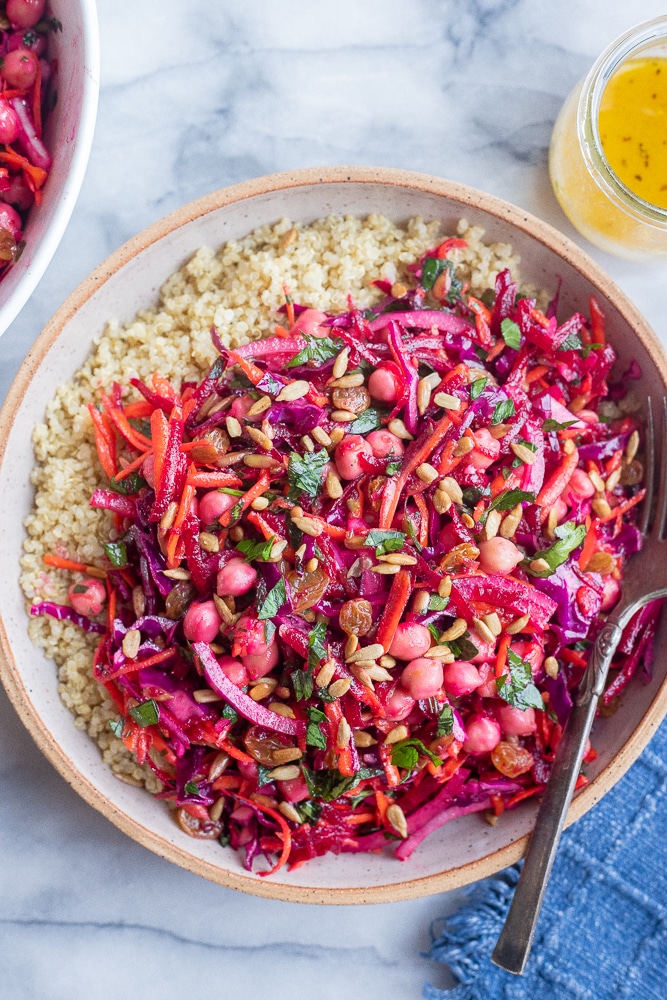
Beet and Carrot Salad with Chickpeas
Goat Cheese Beet and Balsamic Puff Pastry Bites
Vegan Beet Burgers with Brown Rice
Roasted Beet Chickpea and Black Rice Bowls
Healthier Chocolate Cupcakes with Raspberry and Beets
BROCCOLI
Broccoli is a cruciferous vegetable that is in the mustard family, along with cabbage, Brussels sprouts and kale. There are a few different varieties of broccoli, but Calabrese is the most common one in the United States and probably the one that most of us use.
Broccoli is a powerhouse vegetable that offers tons of health benefits. Broccoli is packed with tons of antioxidants, which help reduce unwanted inflammation inside the body. Broccoli also contains a large amount of both fiber and vitamin C. One cup of broccoli has about as much vitamin C as an orange.
Broccoli can be enjoyed both raw and cooked. I like chopping raw broccoli into bite sized pieces and adding it to salads. If you prefer your broccoli cooked, you can steam it, roast it or stir fry it.
Chili Garlic Broccoli with Chickpeas
Crunchy Broccoli Salad with Maple Mustard Dressing
Veggie Packed Broccoli Cheddar Soup
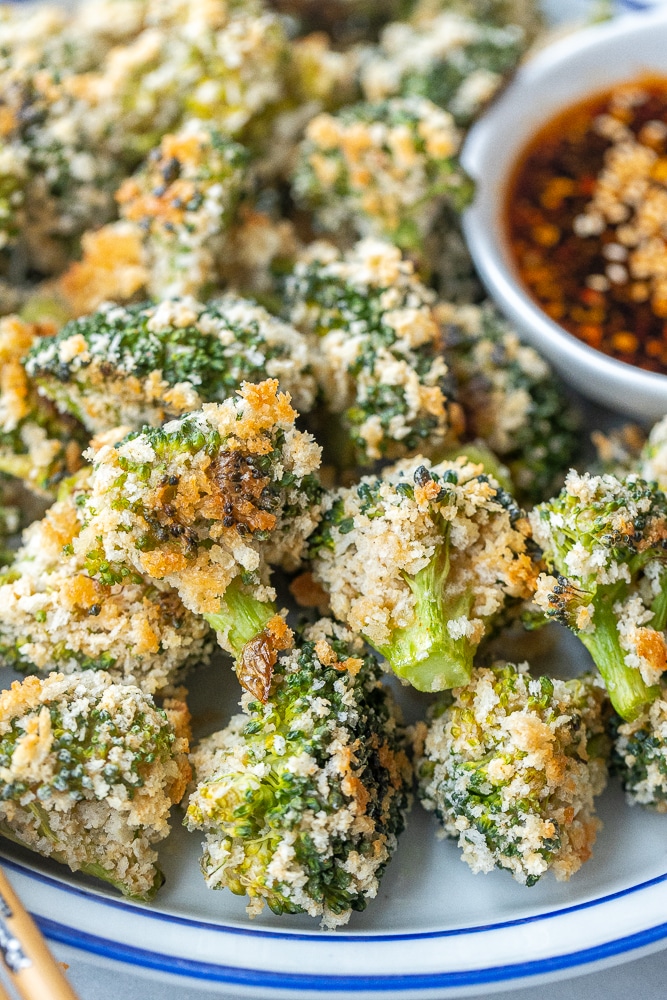
Crunchy Baked Broccoli with Spicy Soy Sauce
Cheesy Broccoli Rice Casserole Bites
BRUSSELS SPROUTS
Brussels sprouts are like tiny little cabbages that grow together on a big stalk. Brussels sprouts have always gotten a bad wrap for being steamed and stinky, but they can actually be super delicious when cooked well!
Brussels sprouts can be served both raw and cooked. I like to thinly grate raw sprouts and add them to salads and slaws. They are also great roasted or sautéed. You can, of course, steam them but I would recommend not over steaming and seasoning with at least salt and pepper.
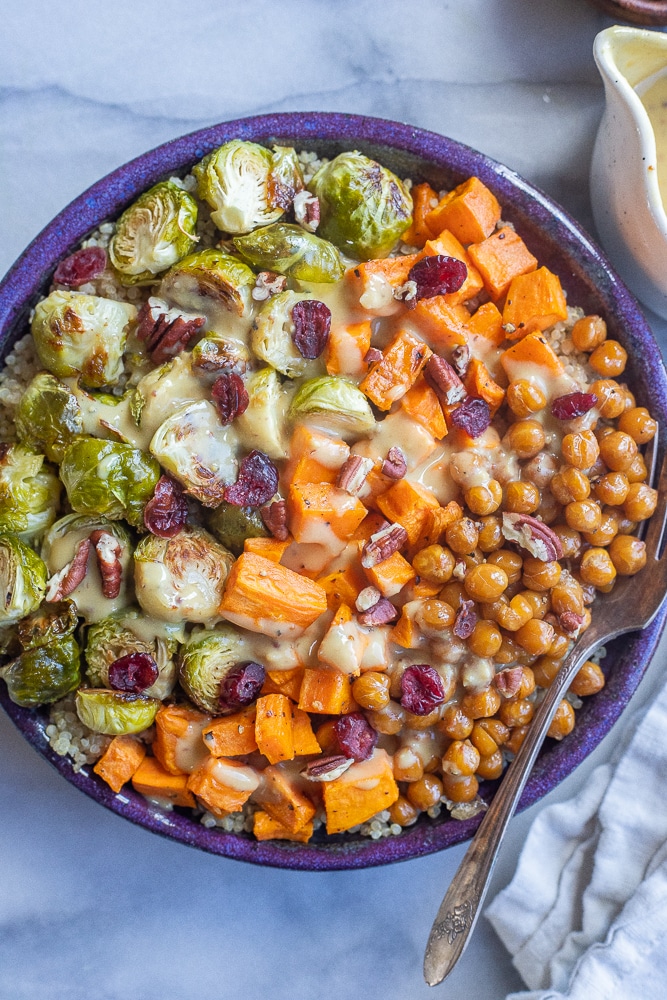
Roasted Brussels Sprout Bowls with Honey Mustard Dressing
Lemon Pepper Roasted Brussels Sprouts
Easy Roasted Vegetable Pasta with Parmesan
CABBAGE
Green cabbage is the most common type of cabbage and what most Americans probably use. I also use a lot of purple cabbage, as well as Napa cabbage. Cabbage is in the mustard family, along with kale and Brussels sprouts.
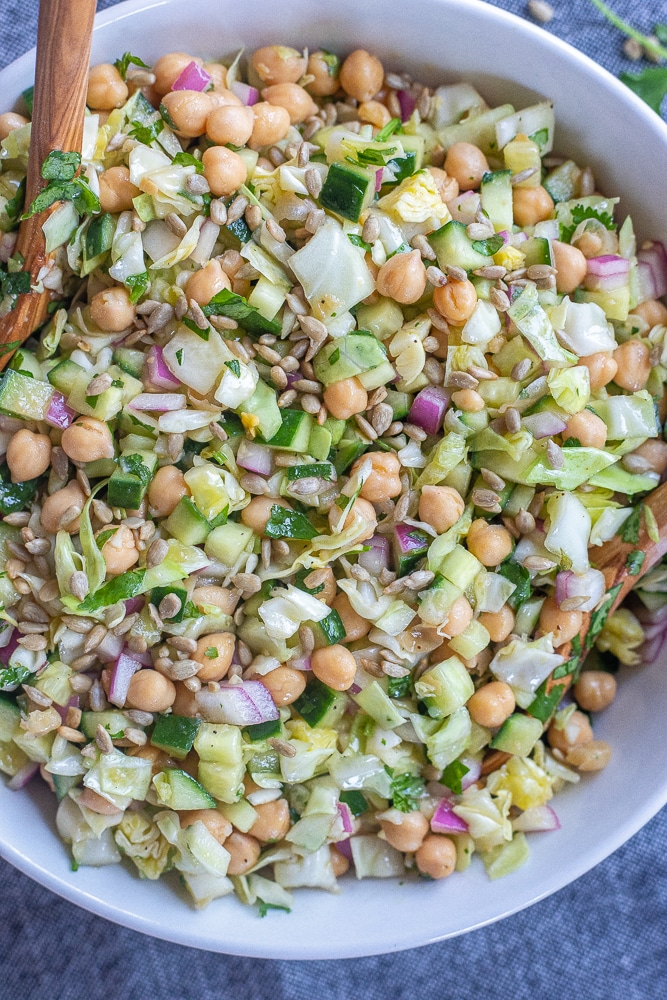
Cabbage is probably most commonly enjoyed raw, in a coleslaw-like salad. I also love using it raw in other chopped salads, like the one below. Roasting and sautéing cabbage until it’s caramelized helps to bring out its natural sweetness and makes for a great vegetable side dish.
Fried Cabbage and Noodles with Tofu
Noodles with Cabbage and Carrots
Halloween Salad with Rice and Veggies
Chickpea Salad with Cucumber and Cabbage
Holiday Salad with Cabbage and Kale
CAULIFLOWER
I use white cauliflower more than any other variety, but you can also find purple and yellow cauliflower. The taste varies slightly but they can all be used interchangeably in your recipes. I used to see cauliflower as the bland cousin of broccoli, but these days it is getting it’s time in the spotlight and I’ve really learned to embrace it in the kitchen!
Cauliflower can be cooked so many different ways these days. It can be roasted, steamed, charred, pureed and even turned into rice (a veggie version anyhow 🙂 ). My personal favorite way to cook cauliflower, and what is pictured below, is coating it with batter and a crispy coating, baking it in the oven until crispy and then tossing it in a flavorful sauce.

Golden Roasted Cauliflower with Coconut Curry Tahini Dressing
Buffalo Cauliflower Tacos with Ranch Slaw
Vegetarian Cauliflower Fried Rice
KALE
Kale comes in a few different varieties including: curly, lacinato and purple. Kale is a hearty green that can withstand colder temperatures. Baby kale has also become quite popular these days and is still hearty, but a little more similar to baby spinach or lettuce.
Kale can be enjoyed both cooked and raw. I love massaging raw kale and adding it to salads. It’s hearty and has some texture, while also being refreshing. Kale wilts quickly, so it can easily be thrown into soups, stir fry and pastas.
Chopped Kale Power Salad with Lemon Tahini Dressing
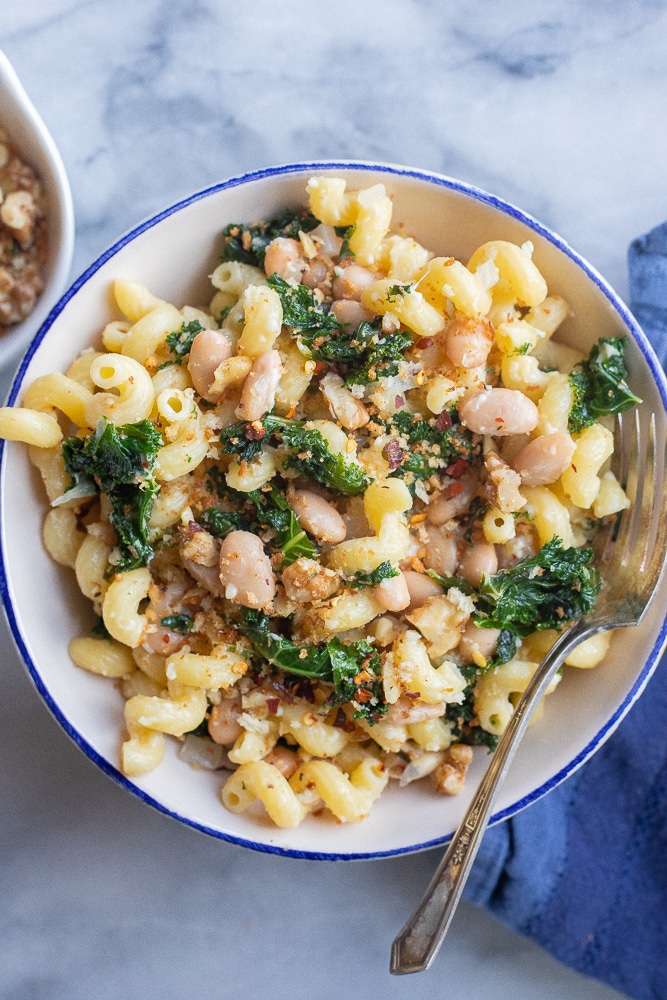
Kale and White Bean Pasta with Parmesan
Garlicky Kale with White Beans and Lemon
LEMON
Lemons are citrus fruits that happen to be in season during the winter. I always make sure to have lemons around in the kitchen and add them to everything from salads, to soups, to pastas. They add a tangy freshness that is always great for balancing rich flavors.
I love having lemons around for easy squeezing into water, onto salads or into sauces. Lemons can be the main flavor of your recipe, and go really well in desserts, or you can use them as a seasoning used to brighten your meals up.
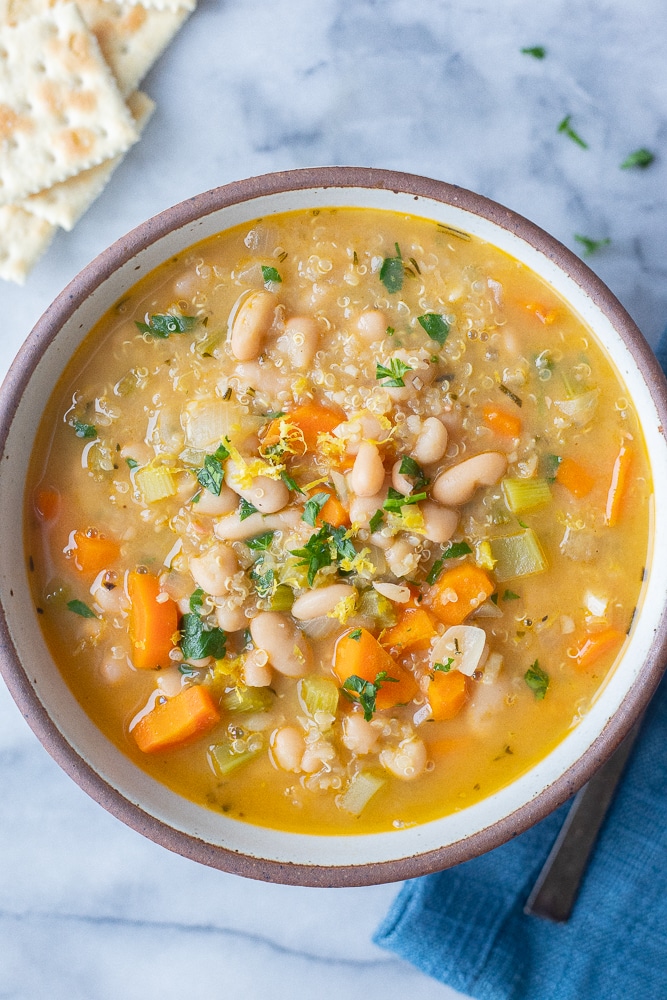
Lemony White Bean Soup with Quinoa
Herby Lemon Jalapeno Pasta with Crispy Chickpea
Lemon Dill Orzo Broccoli Salad
POTATOES
There are quite a few different varieties of potatoes out there, including: russet, Yukon gold, purple and fingerling. I love all types, but probably use russet most often in the kitchen. Potatoes are great ingredients because they’re filling and usually pretty affordable.
Potatoes can be roasted, fried, baked and mashed. They are probably one of the most commonly used vegetables in the United States, thanks to French fries! I love making mashed potatoes as a cozy side dish or browning them up in a skillet for breakfast, like below.
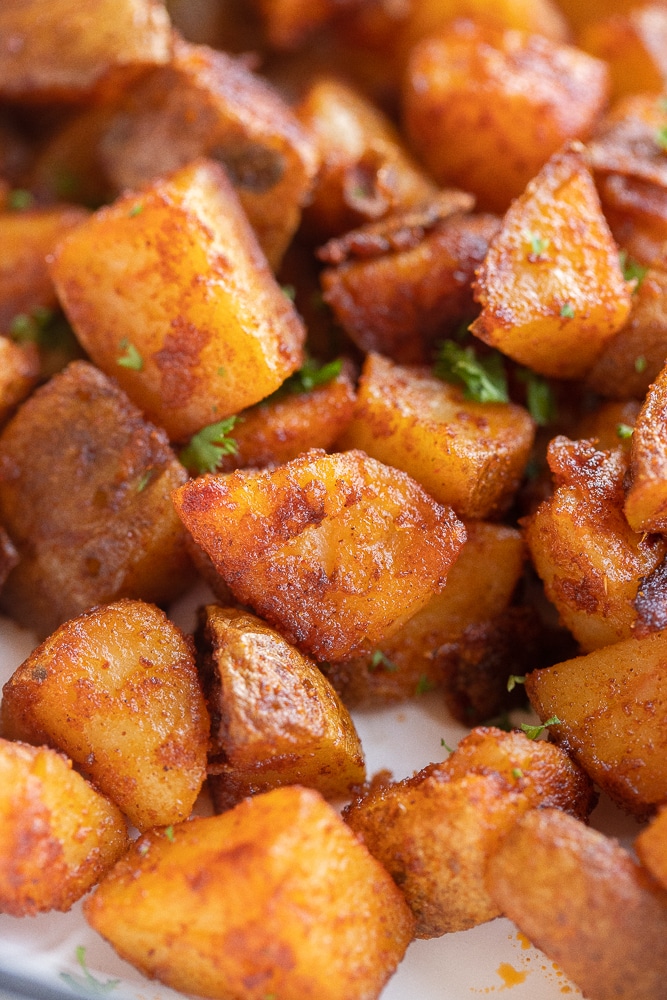
Seasoned Grilled Potato Wedges
SWEET POTATOES
Sweet potatoes come in a few different colors, including orange, red and purple. They are root vegetables, meaning they grow under the soil and have greens that grow above. The greens are edible, but the actual potato part is more commonly eaten.
My favorite way to cook sweet potatoes is to roast them. I like to dice them into chunks or slice them into French fry shapes and then toss them with some spices. You can also mash sweet potatoes or bake them like you would a regular potato and add your favorite toppings.

Roasted Sweet Potato Hummus Wraps with Honey Mustard
Sheet Pan Sweet Potato Fajitas with Black Beans
Vegan Sloppy Joe Stuffed Sweet Potatoes
WINTER SQUASH
When I say winter squash, I’m referring to varieties like butternut, acorn, spaghetti, delicata, red kuri and pumpkin. They’re hearty squash that grow well in colder temperatures and usually have a long shelf life. Some have thick skin that needs to be peeled off, like butternut squash, while others like delicata squash have skin that can easily be eaten.
Winter squash is best enjoyed cooked, in my opinion. I like to roast it and add it to bowls or wraps. Squash is also great in soups, stews and curries. Spaghetti squash has great texture and can be used in place of pasta.

Easy Roasted Butternut Squash Soup

Amazing staggering amount of recipes and work that you have put into this blog – thank-you. It is great to have recipes by food type for the veggie patch crop,
Thank you so much, Anne! So glad this is helpful to you! I plan to add a new one for each month!